Discovering Flavor at its Source in Peru’s High Jungle
How Origin-Based Sourcing, Regenerative Agriculture, and Field Research Shape Modern CPG Innovation
Quick Summary: What This Journey Reveals for Food Brands
Why origin-based sourcing strengthens sustainable CPG innovation
How Peru’s high jungle supports regenerative agriculture and biodiversity
What food product developers can learn from cacao and coffee at the source
Why farmer-direct relationships matter in modern supply chain strategy
How field immersion strengthens flavor research and product storytelling
Most travelers come to Peru eager for the flavors they’ve heard about—bright sauces, rich chocolate, strong coffee, and fruits with names they can barely pronounce. Few imagine tracing those ingredients back to the soil that grows them, walking among cacao trees, or hearing fruit fall softly through the canopy.
For teams working in CPG innovation consulting, sustainable food sourcing, and product development, journeys like this are not tourism. They are field research. They are part of understanding how ingredients, supply chains, and brand stories truly begin.
At Taste Trail CPG Advisors, we travel to origins like Peru’s high jungle to deepen our approach to consumer-driven CPG innovation and ethical ingredient sourcing. Learn more about our approach and philosophy on our About Us page. These landscapes reveal how global supply chains, regenerative agriculture, and traditional knowledge shape the products that ultimately reach retail shelves.
The high jungle sits just beyond mainstream supply networks, making it one of the most valuable field sites for brands building a modern, responsible sourcing strategy.
Entering the High Jungle
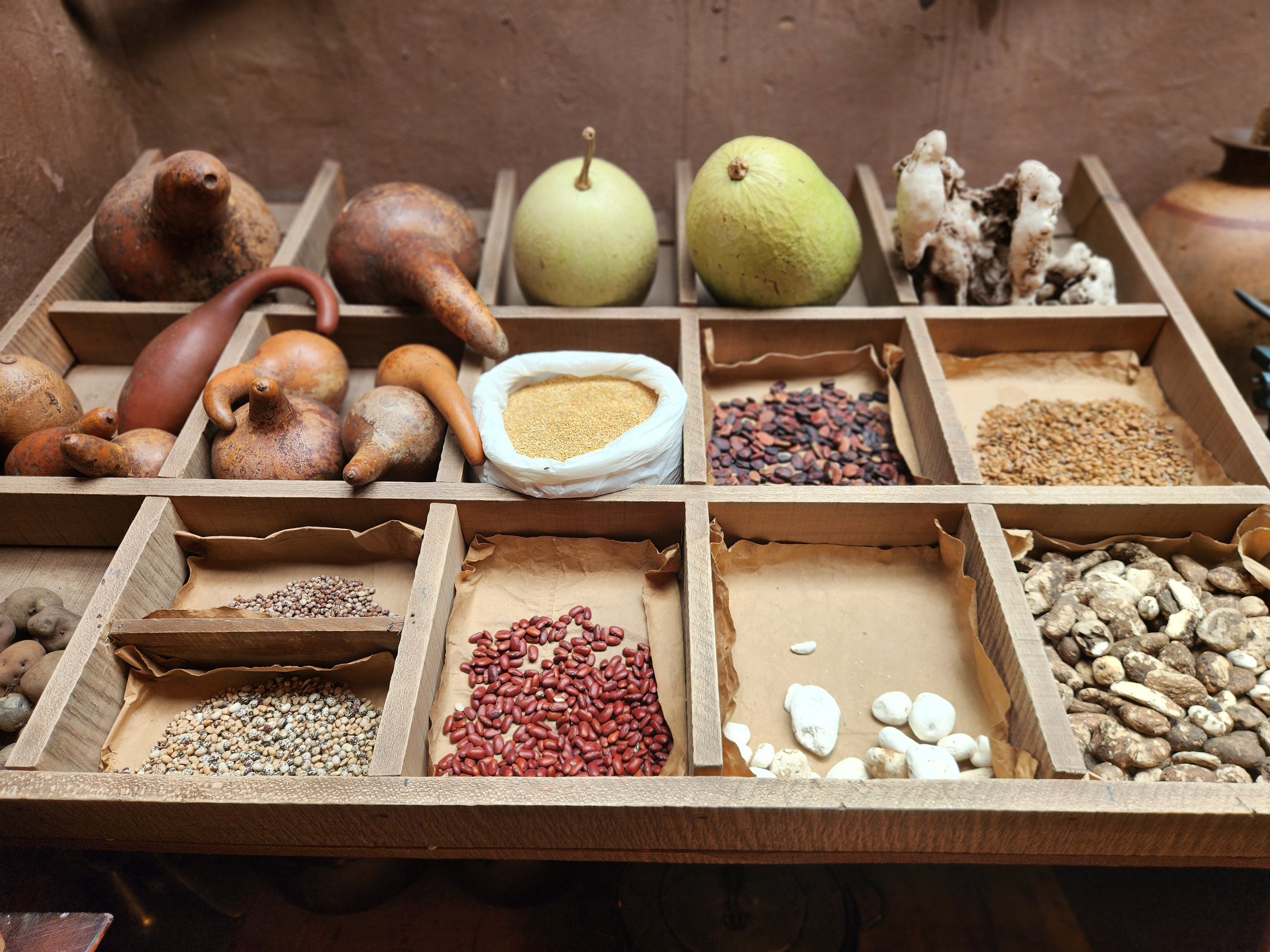
The road from the Andes to the jungle feels like a slow shift into another ecosystem. Each turn brings thicker vegetation and deeper shades of green. This transition zone between the Andes and the Amazon creates ideal conditions for cacao, coffee, tropical fruits, native tubers, and other specialty ingredients central to global food product development. Many of Peru’s most important single origin ingredients start their lives on these hillsides, supported by soil and climate patterns that cannot be replicated elsewhere.
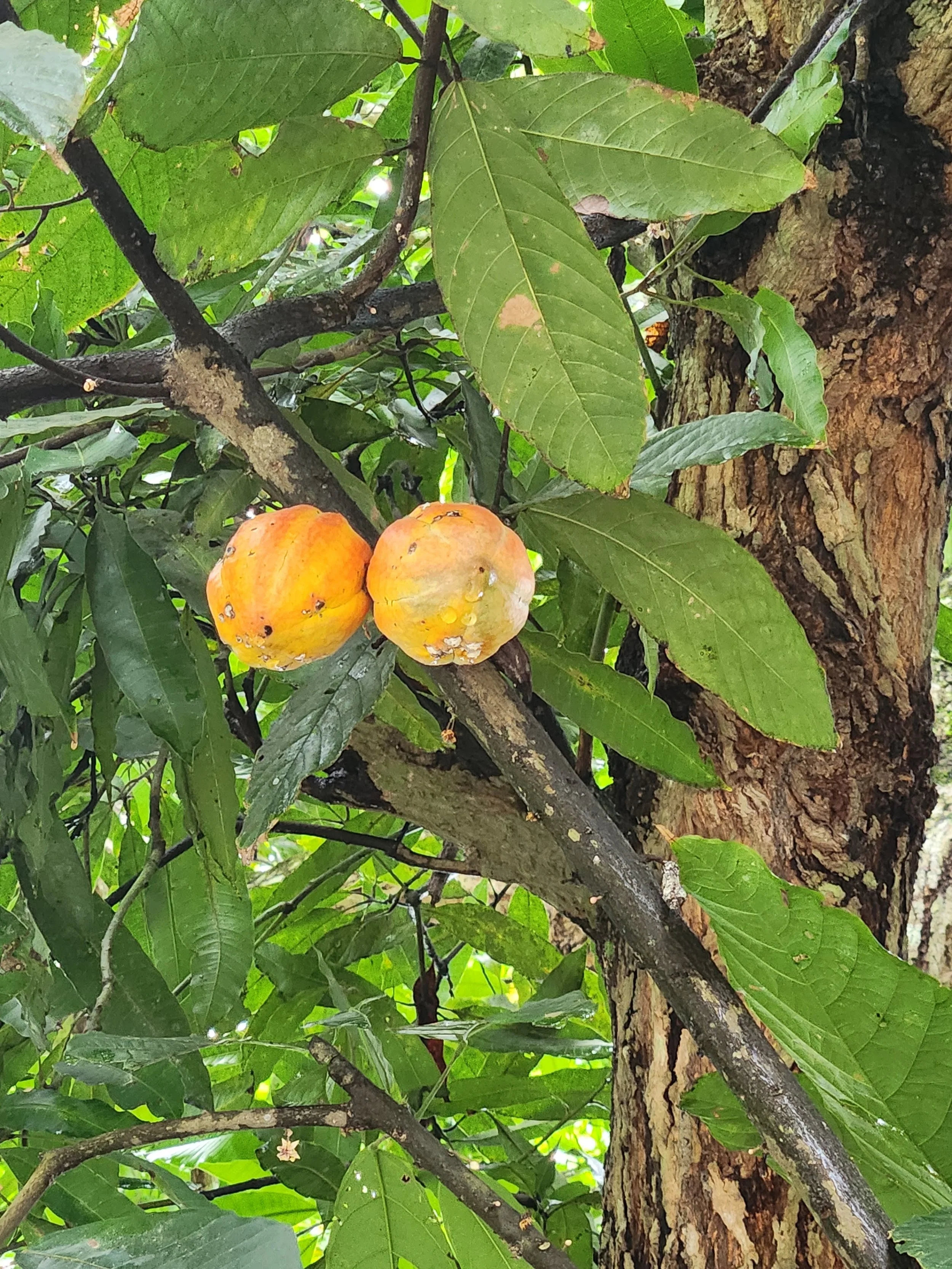
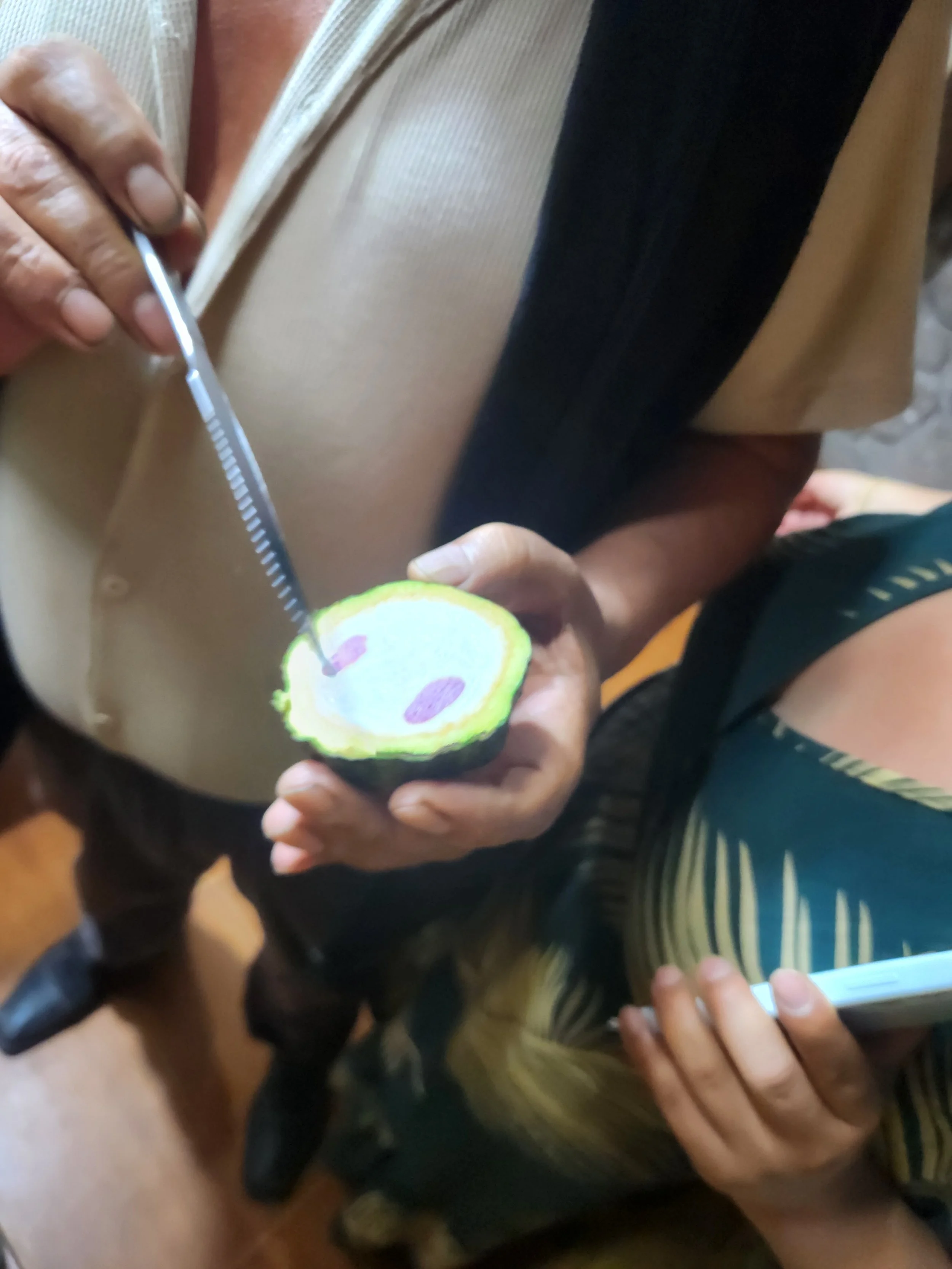
On a small family plot, cacao pods hang from trunks in shades of gold and red. For many product developers and brand teams, this is the first time they have seen cacao as a living plant rather than a commodity. When the guide opens a pod and offers the fresh pulp, the taste is bright and floral with a natural citrus lift. This moment brings a new understanding of flavor research and development. It becomes clear that the complexity of Peruvian chocolate begins long before fermentation or roasting.
Tasting at the Source
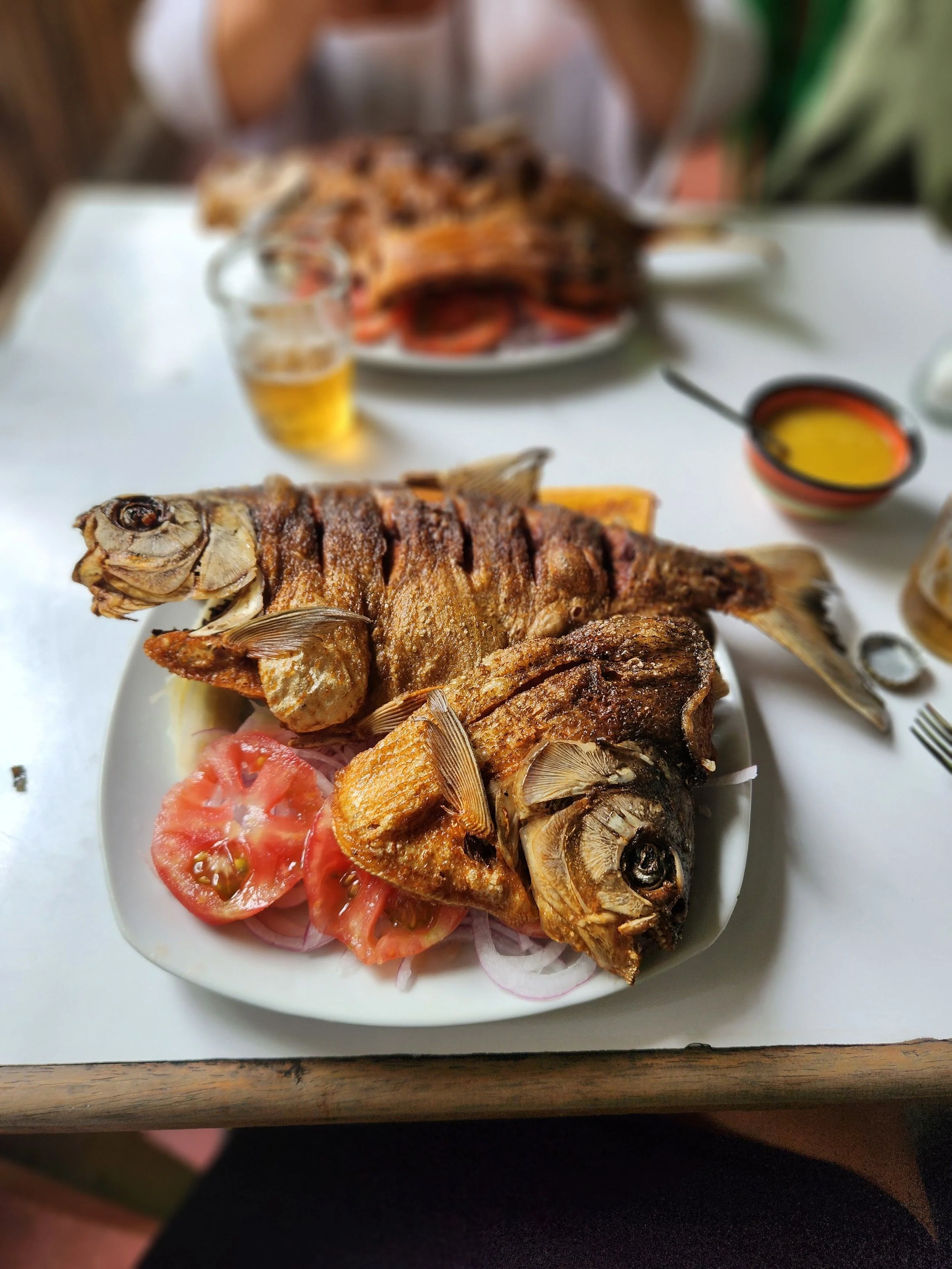
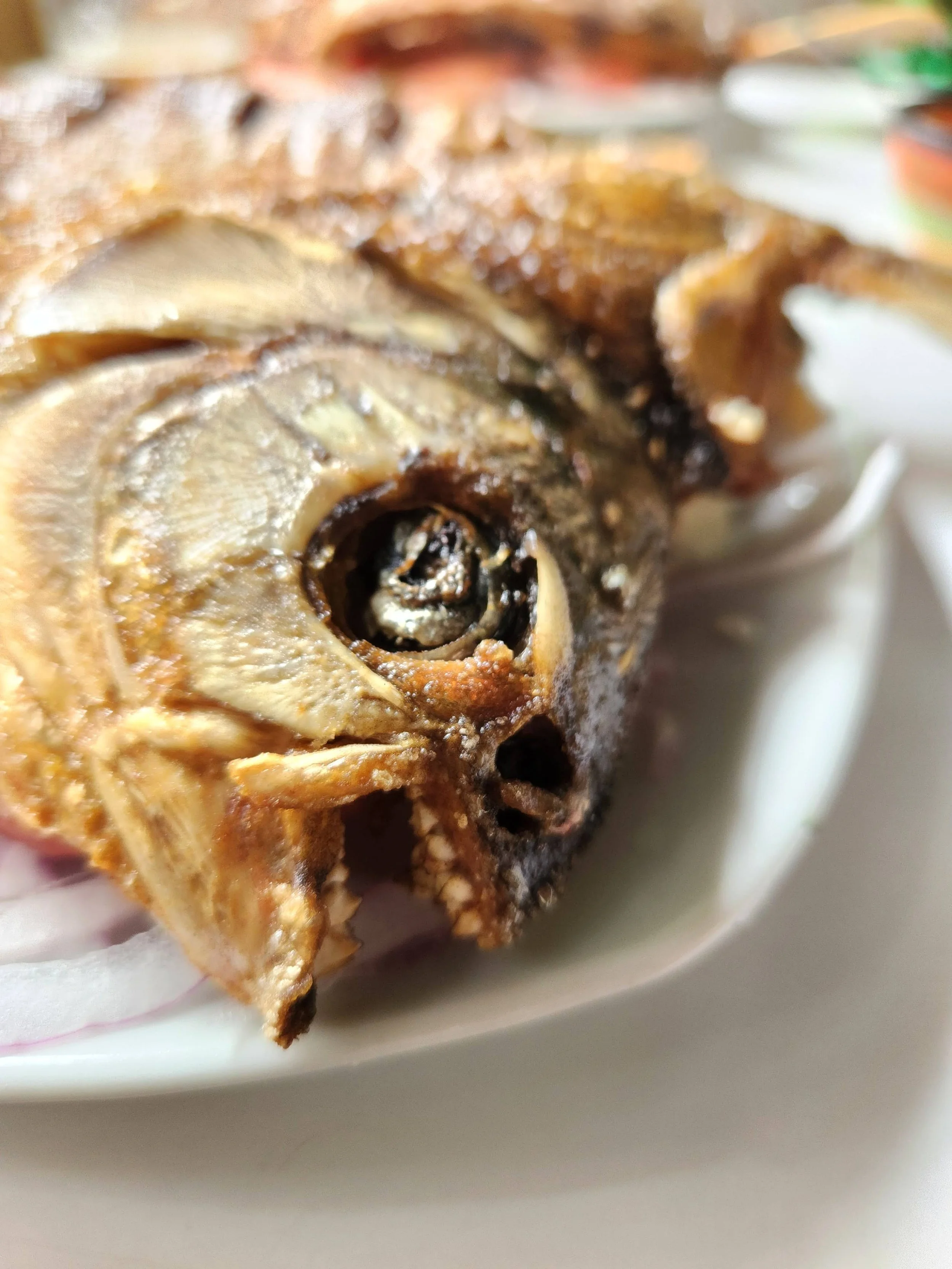
Lunch is served under a simple grass roof shelter. The cook prepares a local fish known as paca, along with yuca, onions, tomatoes, and a pepper sauce made from the morning’s harvest. The food is humble, fresh, and true to the region. For anyone working on sustainable supply chain strategy, meals like this highlight the role small scale farmers play in preserving biodiversity and flavor traditions. Peru’s celebrated cuisine grows from communities that steward their land with intention, not from culinary trends or marketing cycles. For product developers and innovation teams, tasting ingredients at origin deepens flavor research and informs more authentic product storytelling.
Learning from Living Permaculture
Farther into the high jungle, the farms shift into layered food forests that blend fruit trees, medicinal plants, herbs, and staple crops. Every element supports another. Shade protects moisture. Ground cover builds soil. Fallen leaves create natural fertilizer. This style of farming is both ancient and adaptive, and it functions as a form of regenerative agriculture without formal certification or labels. This ecosystem functions as a real-world example of regenerative agriculture in practice.
For food businesses exploring ethical food sourcing, this landscape provides a practical model of balance. It shows how ecological health directly supports flavor, yield, and long-term stability. It also illustrates why origin-based sourcing requires genuine relationships with farmers who understand their land at a level no outside system can replicate.
From Raw Crop to Crafted Product
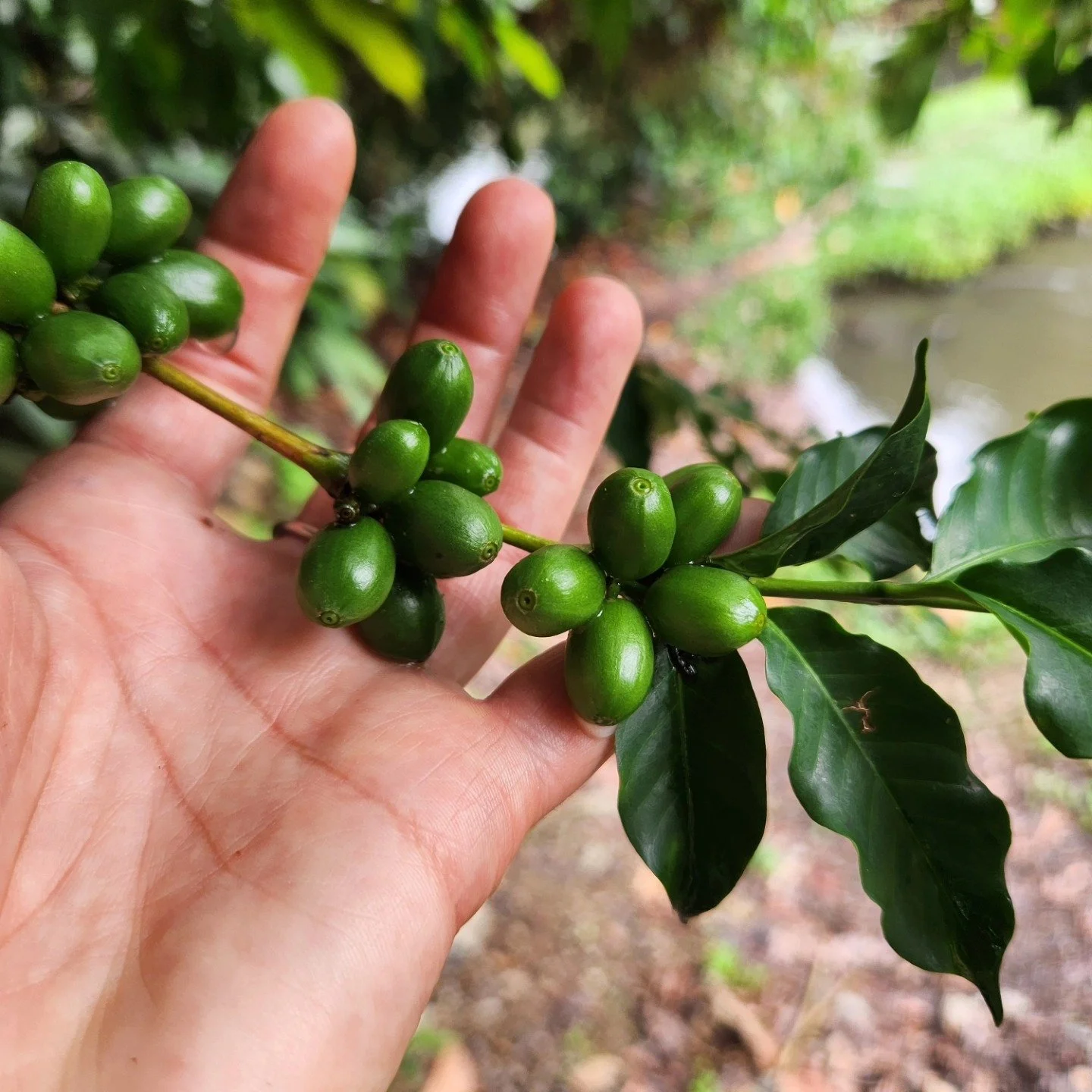
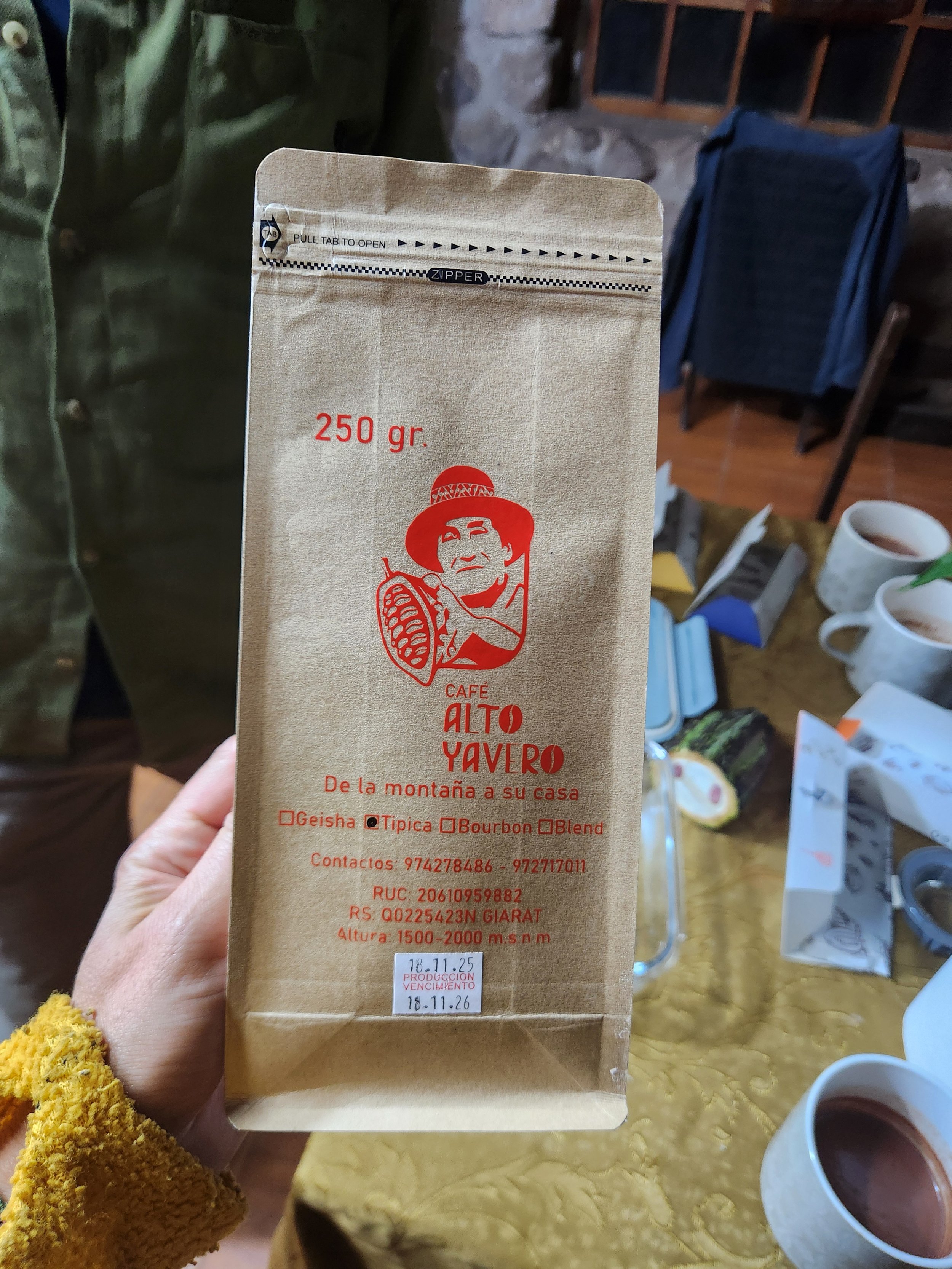
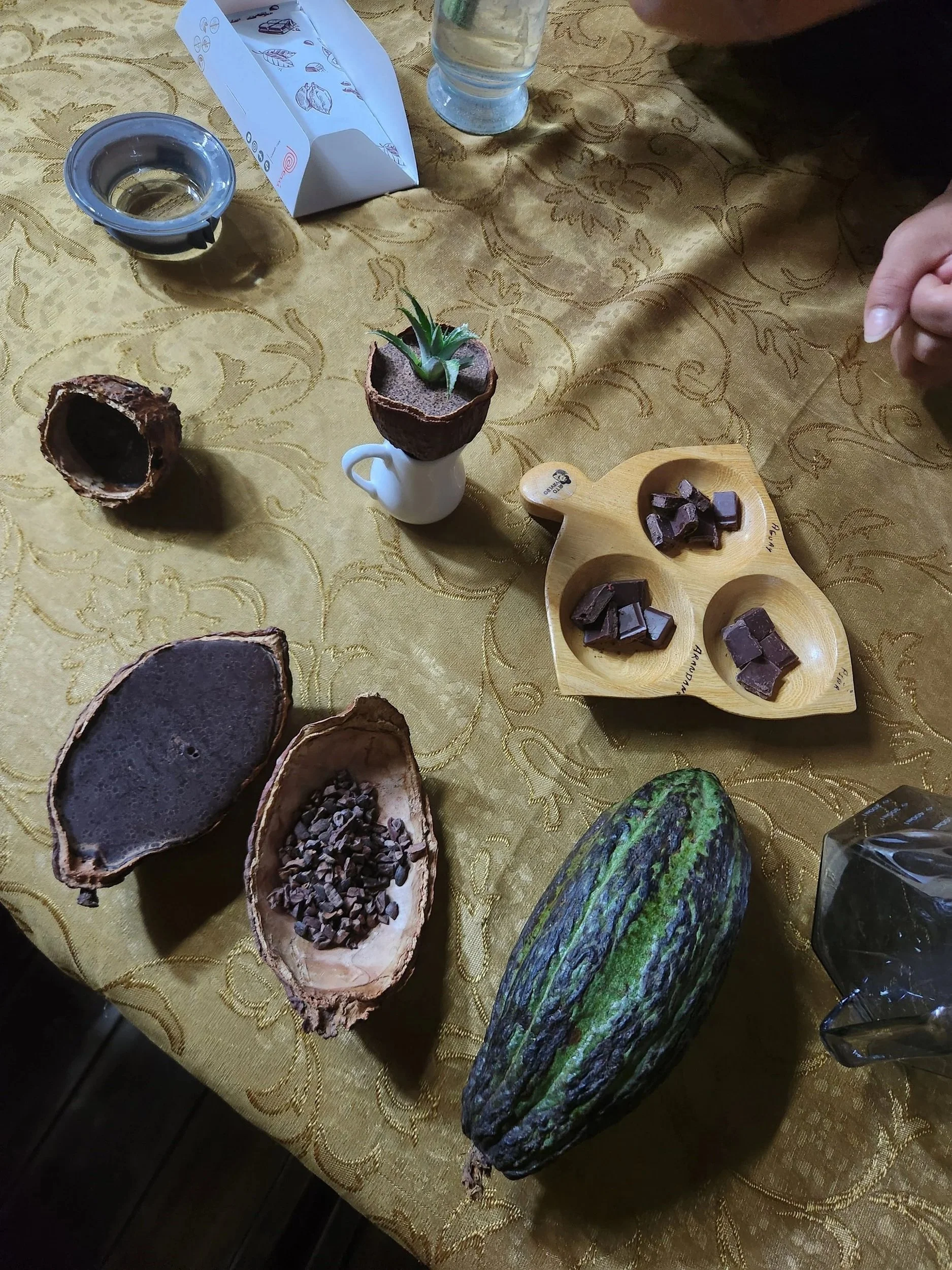
On the way back toward Cusco, we stop at a small workshop filled with the aroma of roasted cacao and freshly ground coffee. This is a family operation, not an industrial facility. The founder explains how his family revived a nearly extinct cacao variety over fourteen years of careful cultivation. Their beans now produce some of the most respected single origin chocolate and artisan coffee in the region.
Every step of their process is done slowly and by hand. Small batch roasting. Stone grinding. Careful fermentation. For food industry advisory work, these operations offer valuable lessons. They show how specialty ingredients can stand out through craftsmanship and heritage rather than scale. They remind us that authenticity grows from practice, not just narrative.
For CPG brands seeking differentiated, origin-driven ingredients, operations like this illustrate how craftsmanship builds long-term value.
Why This Journey Matters
Most tours touch only the surface. A sourcing trip into the high jungle becomes a deeper form of culinary ethnography. It shows how flavor, identity, and land stewardship are woven together. It also strengthens the foundation for brands that want to build products rooted in place and supported by ethical, farmer direct sourcing relationships.
Peru’s high jungle is more than a region of production. It is a living classroom for anyone shaping the future of food. Understanding this terrain supports better decisions in product development, innovation strategy, and sustainable sourcing. For businesses committed to thoughtful growth, this kind of work is not optional. It is essential.
For food brands focused on sustainable sourcing strategy and innovation grounded in place, this kind of immersion strengthens decision-making at every stage of development. If your team is exploring responsible sourcing, regenerative partnerships, or consumer-driven product innovation, connect with us!