Food Signals from 2025 That Will Shape Innovation in 2026
Quick Summary: Food Signals Shaping Innovation in 2026
Below is a snapshot of the key food signals that showed staying power in 2025 and what they reveal about where food and beverage innovation is headed next.
Functional foods shifted from broad wellness positioning toward specific performance driven use occasions.
Bold flavor remained relevant when grounded in purpose, balance, and cultural context rather than novelty.
Consumers still spend on indulgence when it feels intentional and worth it. Visual appeal, ingredient signaling, and sensory payoff now matter more than novelty alone.
Sustainability evolved from surface level claims into sourcing, packaging, and operational systems.
Global inspiration moved toward specificity, with greater emphasis on origin, preparation, and ingredient story.
GLP-1 Adoption has caused consumers reduced appetite and higher satiety expectations are changing portion size, protein priorities, and indulgence frequency.
Post launch learning emerged as a critical phase for improving shelf performance and protecting retailer confidence.
Voice of the consumer became central to sell in storytelling and commercial decision making.
AI is influencing what gets built long before products reach shelf. Faster testing, smarter decisions, and better prioritization are becoming competitive advantages.
What These Signals Mean for 2026 Innovation Strategy
The clearest takeaway from 2025 is that successful innovation is becoming more grounded and evidence driven. Brands that invest early in understanding their target consumer, design products around real experiences, and continue learning after launch will outperform those chasing trends alone.
Innovation in 2026 will reward clarity over volume and insight over instinct.
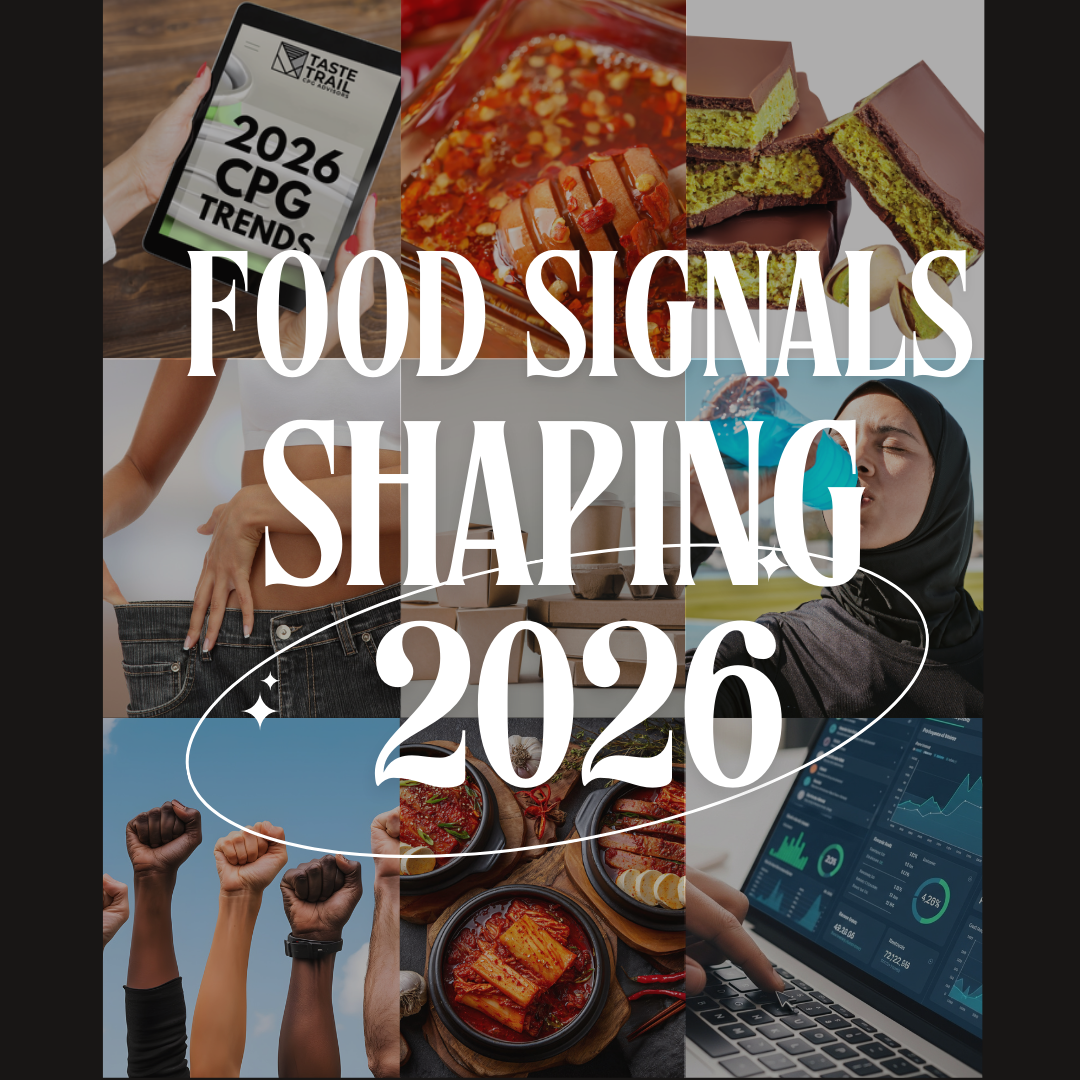
The trends that lasted in 2025 reveal where food innovation is headed next. Clarity, specificity, and insight are becoming competitive advantages.
Every year brings new food trends, but not every trend deserves attention. What matters most is identifying which signals showed staying power and what they reveal about how consumers will eat, shop, and decide in the future.
2025 was full of experimentation, bold ideas, and rapid iteration. The brands that succeeded were not the ones chasing every new headline. They were the ones paying attention to patterns. As we move into 2026 planning cycles, the most valuable insights come from what scaled, what persisted, and what fundamentally changed how consumers evaluate food.
Brands exploring functional innovation often benefit from starting with consumer jobs to be done and usage occasion research . This approach helps teams connect ingredients to real consumer needs rather than abstract health positioning.
Below are the food signals from 2025 that will meaningfully shape innovation strategy in 2026.
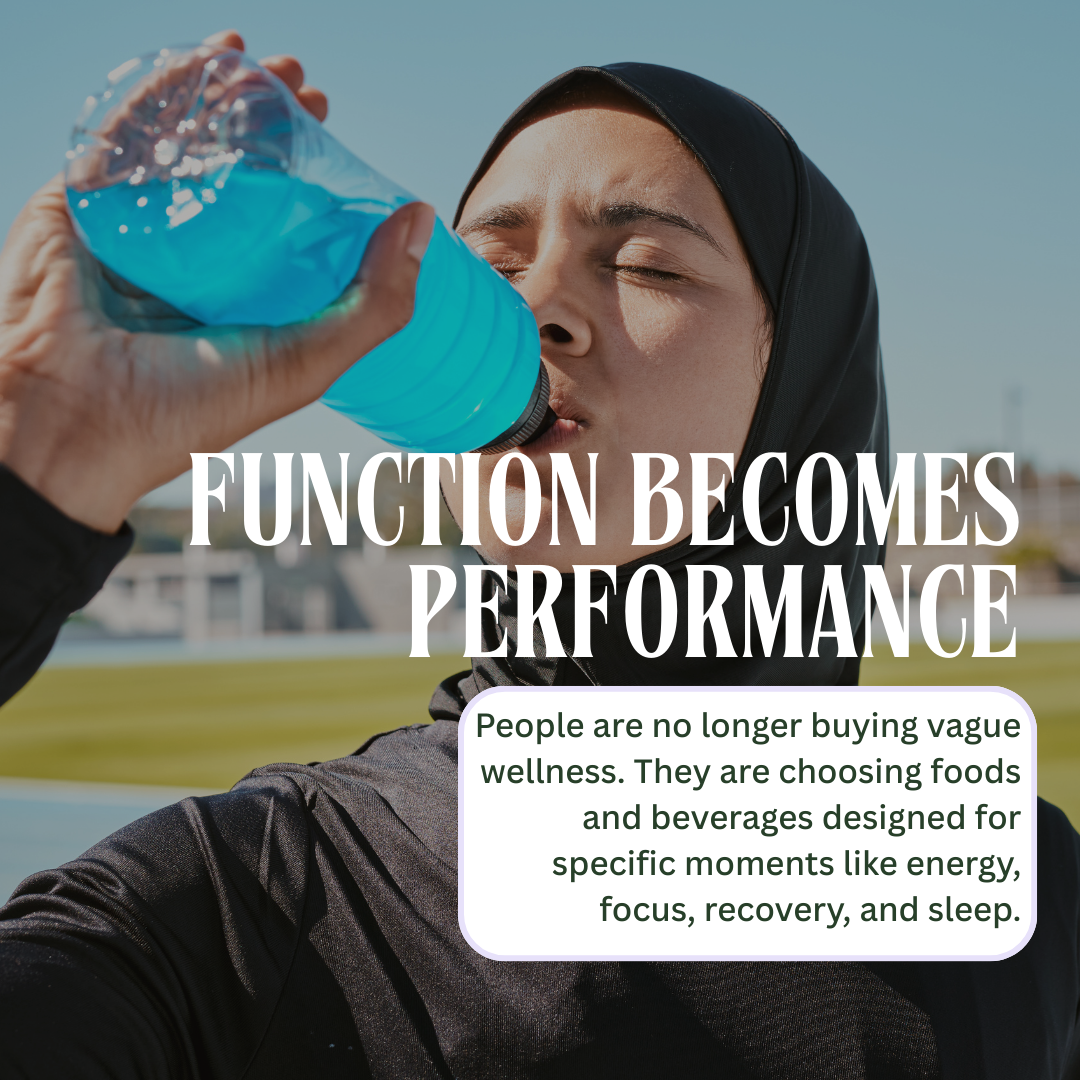
Signal 1: Function shifted from general wellness to performance
In 2025, functional beverages increasingly organized themselves around clear moments like morning hydration, workout endurance, travel recovery, or evening wind down. Products that clearly signaled when and why to use them outperformed those relying on broad wellness positioning.
Industry analysis from the Institute of Food Technologists food trends highlights the shift from broad wellness claims toward more precise performance based nutrition. Consumers moved away from vague health claims and toward products that clearly support energy, focus, digestion, sleep, and recovery. Ingredients alone were no longer enough. Shoppers wanted to understand why something worked and when it fit into their day.
In 2026, successful functional products will be built around defined use occasions and clear benefits. Brands that articulate function simply and credibly will outperform those relying on broad wellness language.
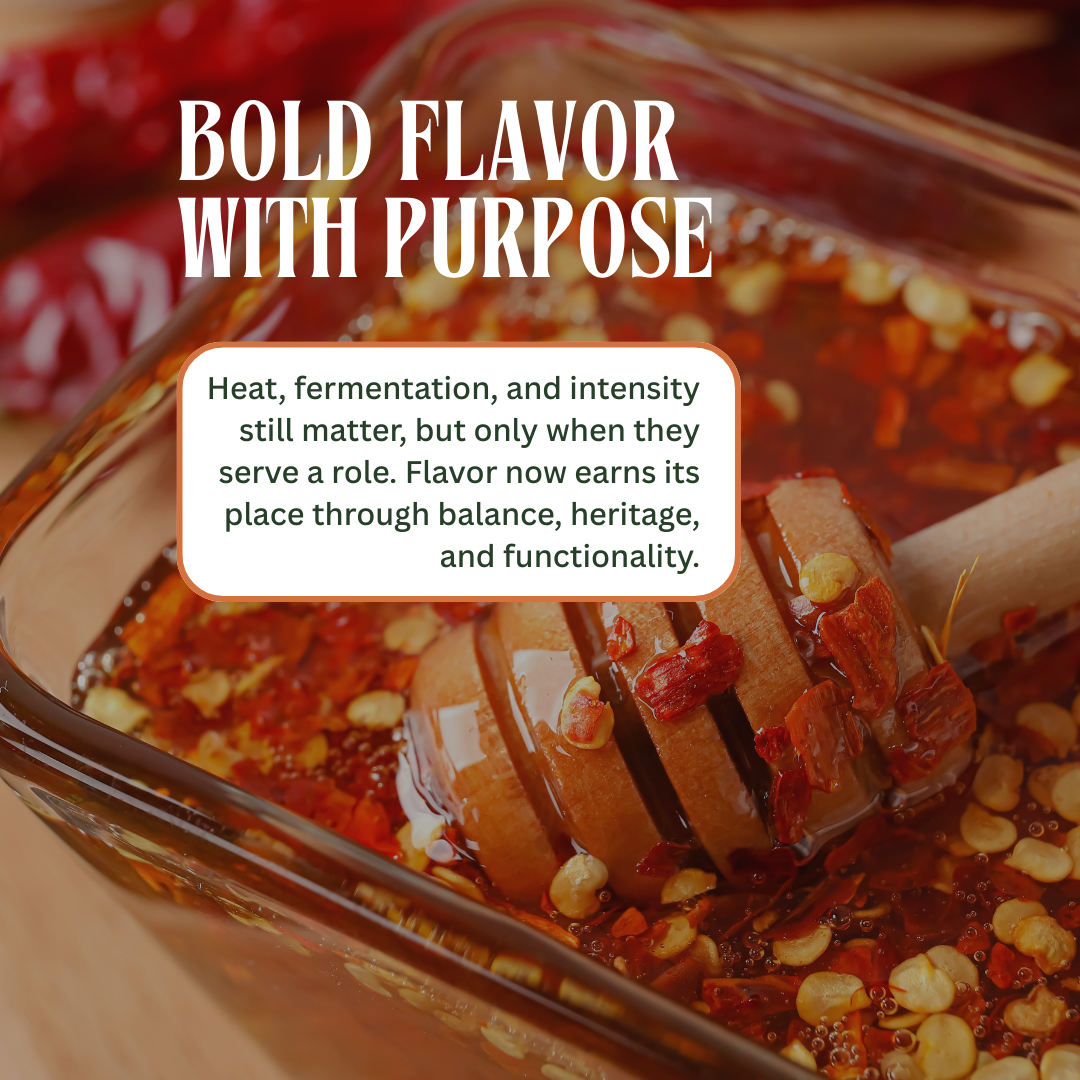
Signal 2: Bold flavor stayed but became more intentional
Bold flavor did not fade, but consumer expectations matured. Heat, fermentation, pickle profiles, and global spice blends remained popular, yet novelty alone lost momentum. The flavors that endured were connected to heritage, craft, or nostalgia. Hot honey is a strong example of how bold flavor matured, showing up across snacks, sauces, and frozen foods where sweetness and heat serve a functional balance rather than shock value. The flavors that scaled were those that enhanced the eating experience instead of competing with it.
This signals a shift toward purposeful flavor development. Retail trend reporting from Whole Foods Market food trends shows that bold flavors tied to heritage and preparation methods continue to outperform novelty driven launches. In 2026, boldness will need context. Flavor will be expected to tell a story and contribute to the overall experience, not just grab attention.
Understanding how flavor, culture, and sourcing intersect can help teams build more meaningful flavor platforms. This is where source based exploration and sensory strategy come together.
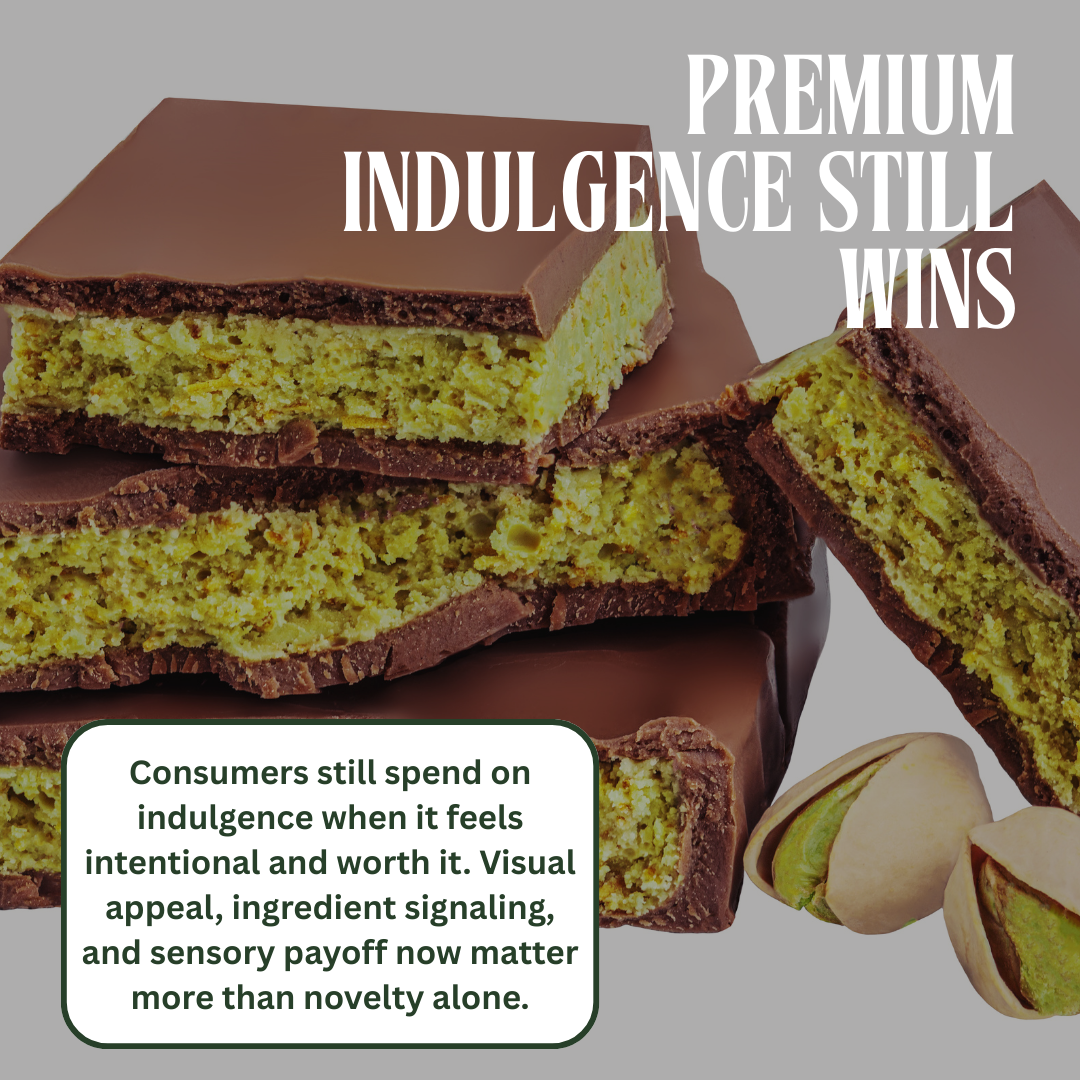
Signal 3: Premium Indulgence Still Wins When It Feels Worth It
Despite cost pressure and value sensitivity, consumers continue to make room for indulgence that feels intentional, elevated, and visually compelling. The rise of Dubai-style chocolate formats and the sustained popularity of pistachio across categories signal that indulgence has not disappeared. It has become more selective. Food and Wine highlights pistachio as a great example of this type of break-out luxury flavor.
What performs is indulgence that communicates craft, texture, and status without feeling gimmicky. Visual storytelling, ingredient signaling, and sensory payoff matter more than novelty alone. This is where texture belongs in the conversation, not as a trend, but as part of perceived worth.
Signal 4: Sustainability shifted from claims to systems
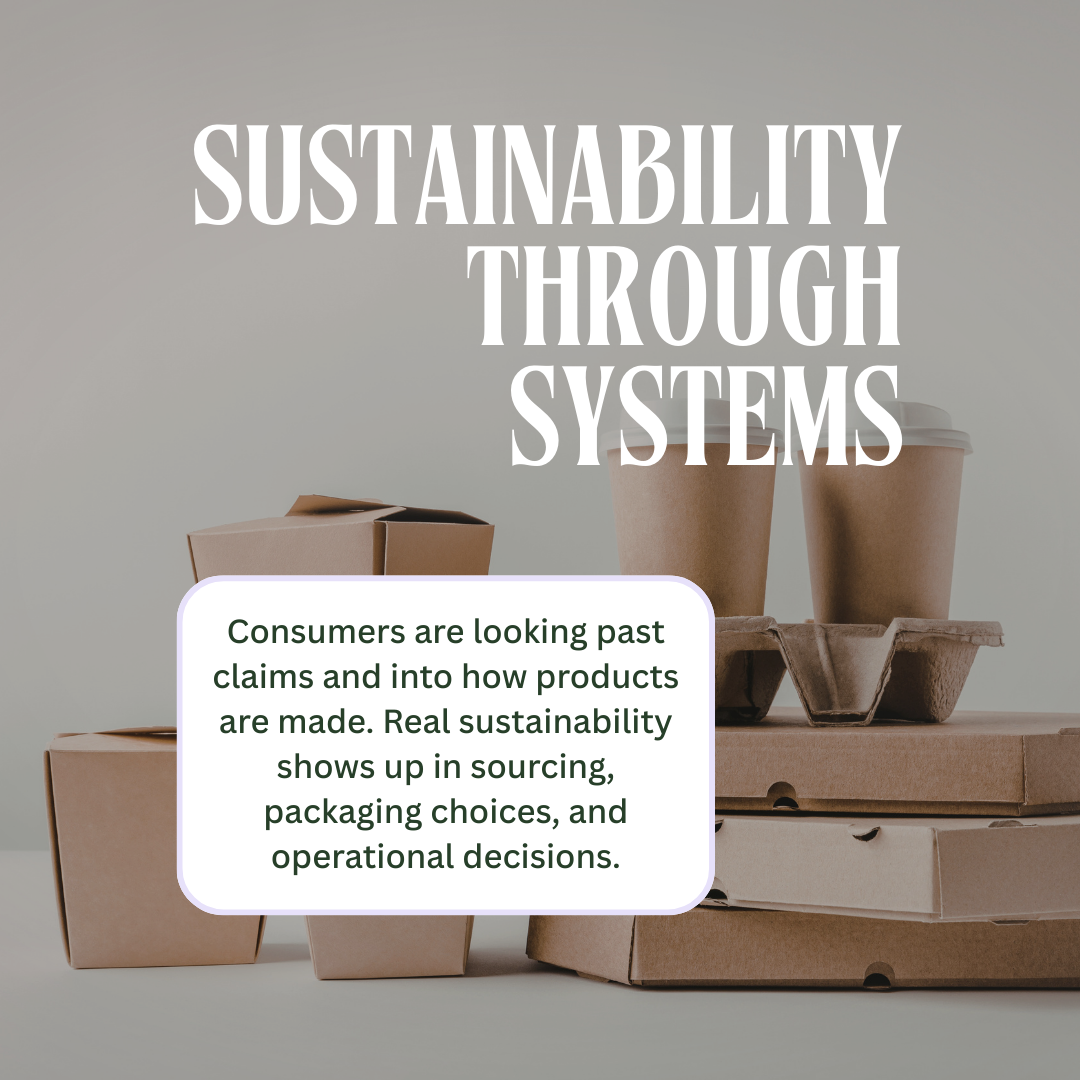
Consumers grew more skeptical of surface level sustainability claims in 2025. What earned trust instead were brands that demonstrated realistic systems thinking. Sourcing transparency, waste reduction, circular inputs, and honest trade offs resonated more than perfect sounding promises. Consumer research firms such as Mintel sustainability insights have noted increasing skepticism toward surface level sustainability claims in favor of transparent systems thinking. Many brands focused less on loud sustainability language and more on quiet operational improvements like reducing packaging weight or shifting to simpler material structures. These changes often went unnoticed on pack but were felt by consumers through ease of use and perceived responsibility.
In 2026, sustainability will be evaluated through how products are made and scaled. Brands willing to communicate clearly and authentically will be better positioned than those chasing idealized narratives.
Brands navigating sustainability decisions often need help translating sourcing realities into credible innovation and communication strategies. This is where cross-functional alignment becomes critical. Struggling with alignment? We can help!
Signal 5: Global inspiration became more specific
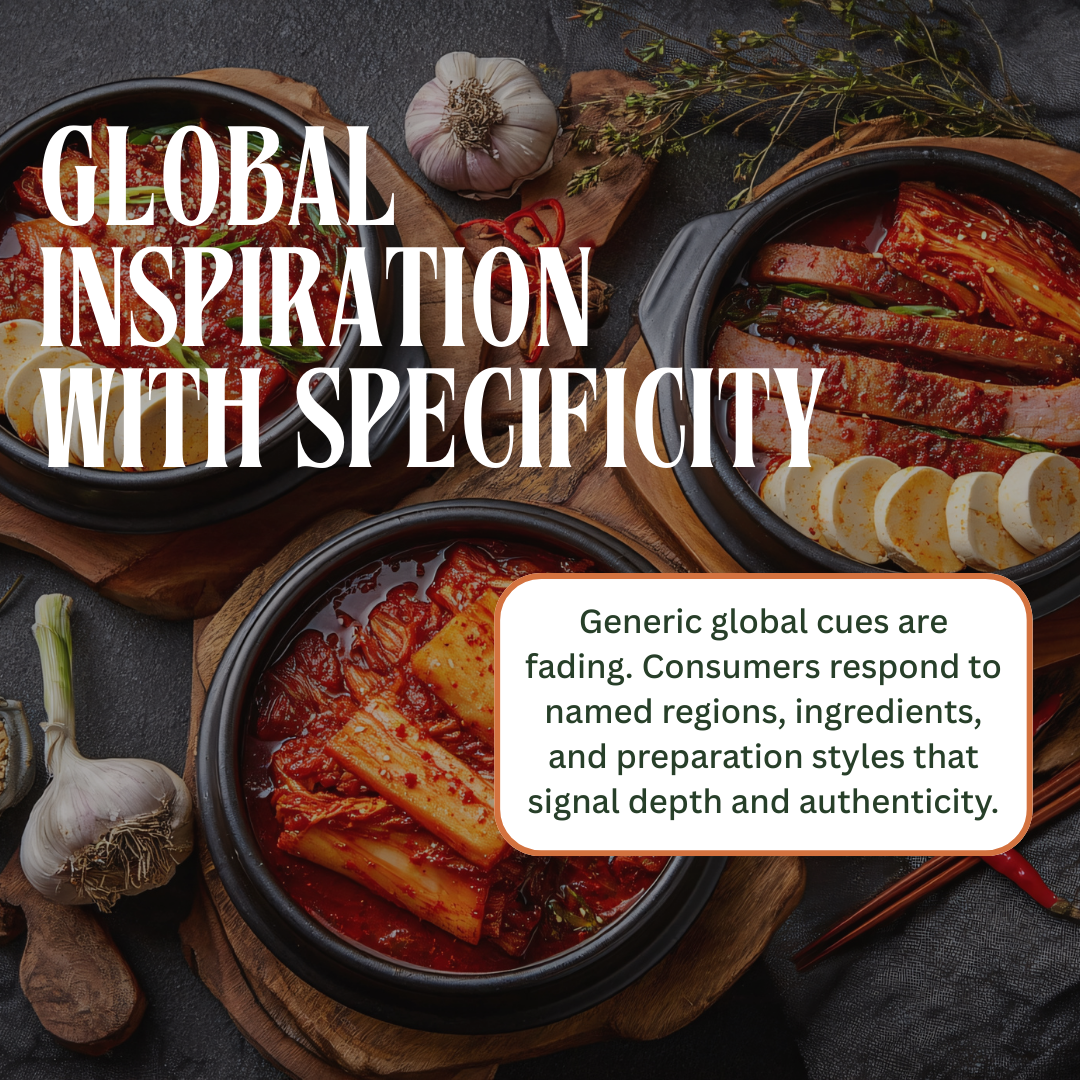
Global flavors continued to perform, but consumers responded more strongly to specificity. Regions, preparation methods, and ingredient origin stories mattered more than broad international labels.
This signals a move from exploration to depth. In 2026, brands that invest in understanding food at the source will create more credible and differentiated products. Rather than relying on generic global cues, brands began naming specific regions, chili varieties, fermentation styles, or preparation methods directly on pack. This level of specificity helped products feel grounded and credible rather than trend driven.
Spending time understanding food at the source helps teams build more authentic and defensible products. Field based insight often unlocks innovation opportunities that desk research cannot.
Signal 6: GLP-1 Is Reshaping How People Eat
GLP-1 medications are changing how consumers think about food in ways that go far beyond weight loss. Portion size tolerance, satiety expectations, protein prioritization, and indulgence frequency are all shifting. These changes are already influencing how consumers evaluate value, satisfaction, and necessity across categories.
For innovation teams, this is not a diet trend to react to. It is a structural shift that affects formulation, pack size strategy, eating occasions, and how products justify their place in the routine. McKinsey highlights GLP-1 use as a signal to be aware of in design. Brands planning for 2026 need to account for how reduced appetite and increased satiety expectations reshape both consumption and messaging.
Signal 7: Post launch learning became non optional
Many 2025 launches struggled not because of formulation, but because consumers could not find them, understand them, or see why they mattered. Brands that invested in post launch learning were able to adjust quickly and protect retailer confidence.
In 2026, post launch insight will increasingly be treated as a required phase of innovation. A product’s success is determined at shelf, not at launch. Several products required rapid packaging or messaging adjustments after launch when consumers misunderstood how to use them or what benefit they delivered. Brands that monitored shelf behavior and feedback closely were able to correct course quickly and protect retail momentum.
Post launch research helps teams understand shelf visibility, communication gaps, and real world performance. These insights often inform renovation, pricing, and packaging decisions.
Signal 8: Voice of the consumer strengthened sell in stories
Retailers increasingly expect brands to demonstrate how products solve real consumer problems. In 2025, strong voice of the consumer insight became a critical component of effective sell in decks. Retail performance data summarized by Circana retail insights reinforces how products backed by clear consumer understanding perform better at shelf and in sell in conversations.
This trend will intensify in 2026. Brands that bring validated consumer needs, language, and purchase drivers into retail conversations will stand out. Consumer research will continue to support not only product development, but also commercial success. Sell in conversations increasingly led with clear consumer problems supported by verbatim language and behavioral insight rather than internal opinion. Retailers responded more positively when brands demonstrated that the product solved a real and validated need.
Consumer insight strengthens sell in narratives by giving sales teams proof points rooted in real behavior. Research driven storytelling builds confidence with retail buyers.
Signal 9: AI Is Changing How Food Products Are Built
AI is not showing up on pack, but it is increasingly shaping what gets built in the first place. From rapid concept iteration and formulation modeling to sensory prediction and portfolio prioritization, AI tools are influencing how teams decide what to pursue and what to kill early.
This matters because innovation speed is no longer just about execution. It is about decision quality. Teams using AI to pressure test assumptions earlier are reducing late pivots, wasted spend, and internal friction. In 2026, AI will increasingly function as an input into innovation governance, not just a productivity tool. McKinsey has highlighted Ai as a key factor in product development as well as IFT for specifically food production.
Where Taste Trail Supports This Work
Taste Trail CPG Advisors partners with brands to translate consumer insight into actionable innovation strategy. We support teams with consumer research design, portfolio planning, innovation frameworks, and sell in storytelling that aligns product development with real market demand.
If your team is planning for 2026 and wants to build products that resonate with consumers and retailers alike, we would be glad to support the work. To get started or discuss your needs, connect with us directly.
FAQs: How to use signals for 2026
-
A food trend is often short lived and driven by novelty or visibility. A food signal reflects deeper consumer behavior that shows consistency, scalability, and long term relevance across categories and channels.
-
Food signals help brands prioritize where to focus resources. They inform portfolio strategy, product development, and consumer research by highlighting which behaviors are likely to persist into the future.
-
Yes. Large brands use signals to guide long term planning and investment decisions, while smaller brands can use them to identify focused opportunities and move quickly without chasing every trend.
-
Retailers want products that solve real consumer problems. Consumer insight provides validated proof points that strengthen sell in decks, increase buyer confidence, and support pricing and distribution decisions.
-
Post launch learning reveals how consumers actually interact with a product at shelf. It helps brands identify communication gaps, improve visibility, and make informed adjustments that protect performance and retailer relationships.
-
Taste Trail CPG Advisors helps brands identify which food signals matter most and translate them into actionable innovation strategy. We support teams with consumer research, sensory testing, sourcing exploration, innovation frameworks, and sell in storytelling so emerging signals become clear product, portfolio, and commercialization decisions.
What Smart Teams Already Know
Not every trend deserves a reaction. Strong innovation teams know that clarity matters more than volume, and insight matters more than instinct. The signals that last are the ones rooted in real consumer behavior, sensory experience, and operational reality. When teams focus on these signals, innovation becomes more intentional, decisions move faster, and products perform better at shelf.
If your team is planning for 2026 and wants to translate emerging food signals into clear innovation strategy, click the button below to start the conversation!